“Josh’s family and team of male helpers are amazing in the level of ongoing support,
encouragement and experiences which they provide. He reciprocates their obvious love and
companionship in a positive and sometimes joyful way.”
“What Josh and his PAs are all accomplishing is wonderful and the wider world needs to see and follow.”
-Tina Yates Irlen, diagnostician

•Attitude:
Two Horses
Author Unknown

Just up the road from my home is a field, with two horses in it. From a distance, each horse looks like any other horse.
But if you get a closer look you will notice something quite interesting… One of the horses is blind.
His owner has chosen not to have him put down, but has made him a safe and comfortable barn to live in.
This alone is pretty amazing.
But if you stand nearby and listen, you will hear the sound of a bell. It is coming from a smaller horse in the field.
Attached to the horse’s halter is a small, copper-coloured bell. It lets the blind friend know where the other horse is, so he can follow. As you stand and watch these two friends you’ll see that the horse with the bell is always checking on the blind horse, and that the blind horse will listen for the bell and then slowly walk to where the other horse is, trusting he will not be led astray.
When the horse with the bell returns to the shelter of the barn each evening, he will stop occasionally to look back, making sure that the blind friend isn’t too far behind to hear the bell.
Like the owners of these two horses, God does not throw us away just because we are not perfect. Or because we have problems or challenges.
He watches over us and even brings others into our lives to help us when we are in need.
Sometimes we are the blind horse, being guided by the little ringing bell of those who God places in our lives.
And at other times we are the guide horse, helping others to find their way.
•Recruitment:
New Personal Assistants are recruited in several ways: by word of mouth, advertising and use of employment agencies. As you can see, our team is growing!
•Training:
a) Hands-on.
New recruits spend the first several weeks shadowing the existing team, their only task is to observe and ask questions. They are encouraged to use every opportunity to forge a relationship with Josh. Only when all concerned are confident that the time is right will the new member of the team be given a position of responsibility.

b) Courses.
These are sourced from internet research and recommendation. Accreditation is by certification on completion of the course. Essential training includes First Aid, Autism Awareness, Total Communication, Safeguarding, Challenging Behaviour, Health and Safety in Food Preparation, Mental Capacity Act and Supported Decision Making, Person-centred Planning. Additional courses have included Homeopathy, Intensive Interaction, Reflexology, Neuro-linguistic Training and Public Speaking.
We have recently enlisted the team with Careskills Academy thereby giving them access to 90 course options.


↑ click to view
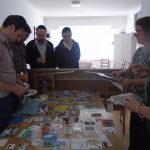
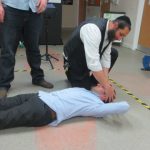
c) Facilitated discussions.
Thought provoking, informative and inspirational exchanges from visiting guests.

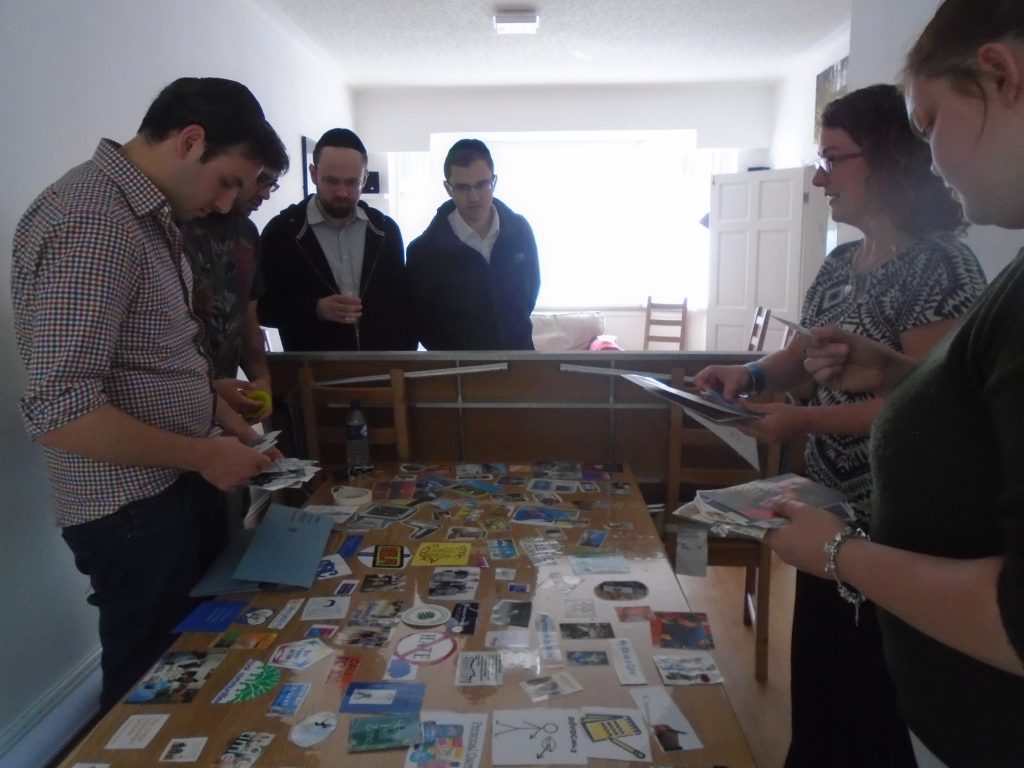


d) Monthly P.A. meetings.
This forum allows everyone to have their say and do brainstorm problems and planning. The minutes of the meetings are typed up and displayed on the notice board indicating clearly what actions are to be taken and allocating tasks.
e) One to one supervision.
Each P.A. has an individual, confidential supervision with the Team Manager during which discussion centres around what is and what isn’t working for Josh and for themselves.
f) Expert input.
The manager has an opportunity to consult with Imagineer, our Support Brokers, for advice regarding all aspects of training and management.
g) Opportunity to study for a diploma in Health and Social Care level 3.
Wigan College offered the opportunity for studying for this diploma to take place in Joshua’s home with a tutor visiting regularly to deliver and supervise the study programme.
h) Team-building
The team are examining the impact that their thoughts and emotions have on Josh’s mood. We have organised a four-session workshop under the supervision of a specialist psychologist.
i) Contingency planning
It is important to make provision in training for the unexpected e.g. procedures in case of fire, hospital admission, accidents; Joshua’s parents have Deputyship for both Health and Social Care and Finance. The Circle of Support meets every 3-4 months to oversee his care program and they have access to legal, housing and social work advice if necessary. The following video illustrates this point very well.
j) Data recording & management
Keeping a daily diary is an effective way to track important information about Josh’s daily activities and overall health. The diary serves as a record of everything from food and drinks consumed to medication taken and communication patterns. By recording this information in a spreadsheet, it becomes easy to track patterns over time and identify any issues that may need to be addressed.
The diary includes columns for his current Mood, Meltdown, Stress, Communication, Food, Drink, Supplements etc. Each of these columns provides important information about Josh’s health and well-being. For example, the drinks columns allow for tracking the liquid intake, which can help identify any issues with hydration. The Communication column allows for tracking of Josh’s ability to express himself, while the Mood and Stress columns provide insight into his emotional state.
In addition to tracking daily activities, the diary also includes a summary section. This summary section is essential for the PA who will be taking over the shift next. By reviewing the summary section, the PA can quickly get up to speed on any important information or issues that arose during the previous shift. This can help ensure continuity of care and prevent any important details from being missed.
Overall, the daily diary is an essential tool for tracking and managing Josh’s health and well-being. By providing a detailed record of daily activities, the diary helps ensure that Josh receives the best possible care and support.
This is a template of Josh’s daily diary and medical tracker:
k) Dietary Requirements
Josh is on a diet free of gluten and casein. He also avoids sugar, additives and preservatives. All processed foods are excluded. Please see below for some of the delicious meals the PAs prepare for him.